Typology
Museums, galleries, showrooms and branded environments

Academic Portfolio · Bachelor’s Level
11 Weeks · 5 Credits · Studio-Based Learning
Course overview
This studio introduces students to the design of engaging museums, galleries, showrooms, and branded exhibition environments. Research, spatial planning, storytelling, lighting, materials, and display systems come together to shape a purposeful visitor experience.
Course focus
Four connected areas guide students from early investigation to a resolved, communicable proposal.
Museums, galleries, showrooms and branded environments
Identity, narrative and visitor behaviour
Zoning, circulation and spatial programming
Display, lighting, materials and technical design
01
Course journey
A clear three-stage structure turns research into spatial experience while keeping conceptual and technical development closely connected.
History, typologies, precedents, visitor behaviour and the relationship between content and space.
Design programme, spatial concept, zoning strategy, visitor journey and initial direction.
Plans, elevations, custom displays, lighting, materials and final visualization.
02
Studio project
Students develop a proposal for a selected brand, collection, or cultural subject—balancing a clear narrative with circulation, functionality, accessibility, display strategy, and atmosphere.
Teaching approach Lectures, research exercises, workshops, individual tutorials, and progressive critiques support an iterative process from concept to technical resolution.
Project 01
Selected student work
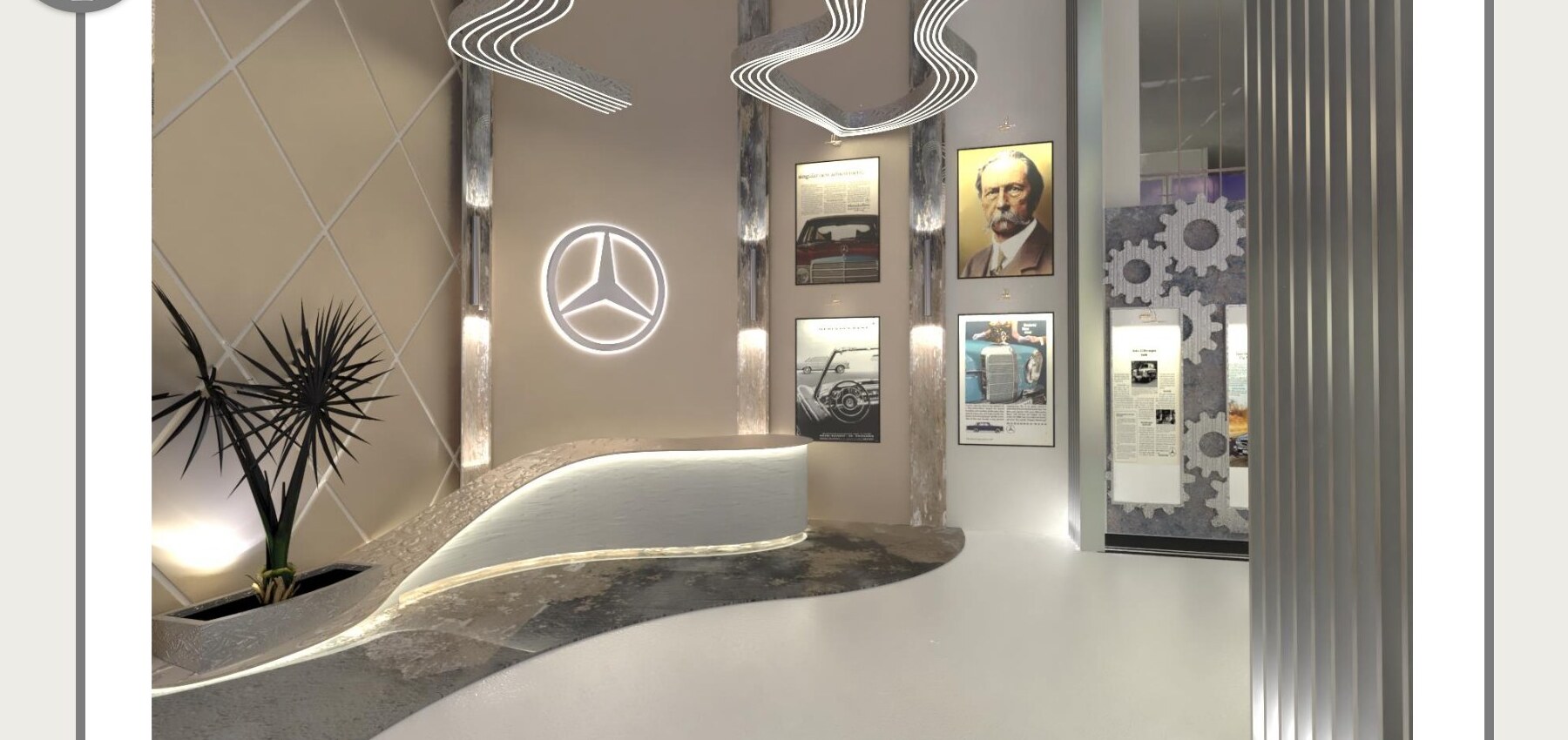
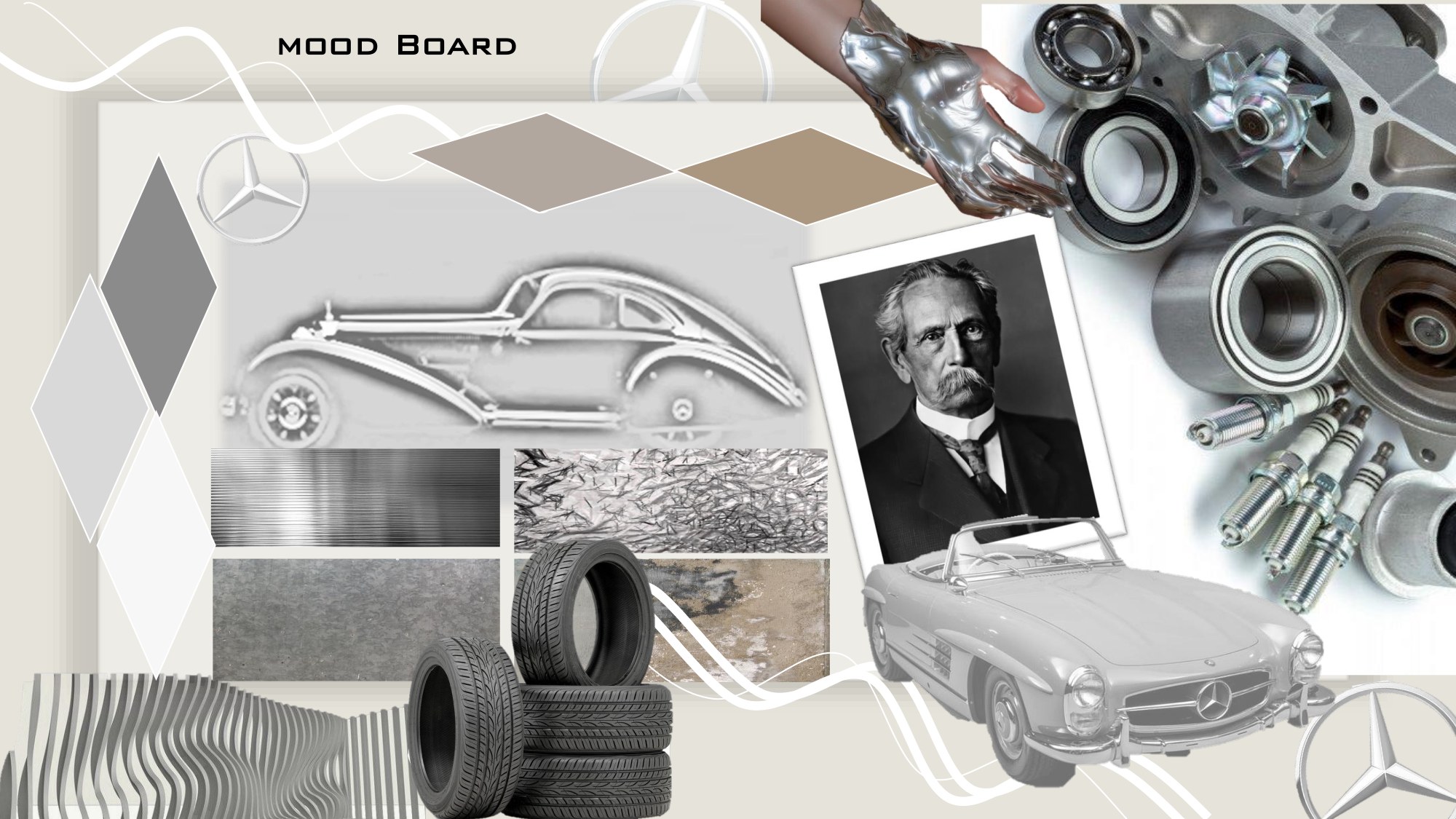
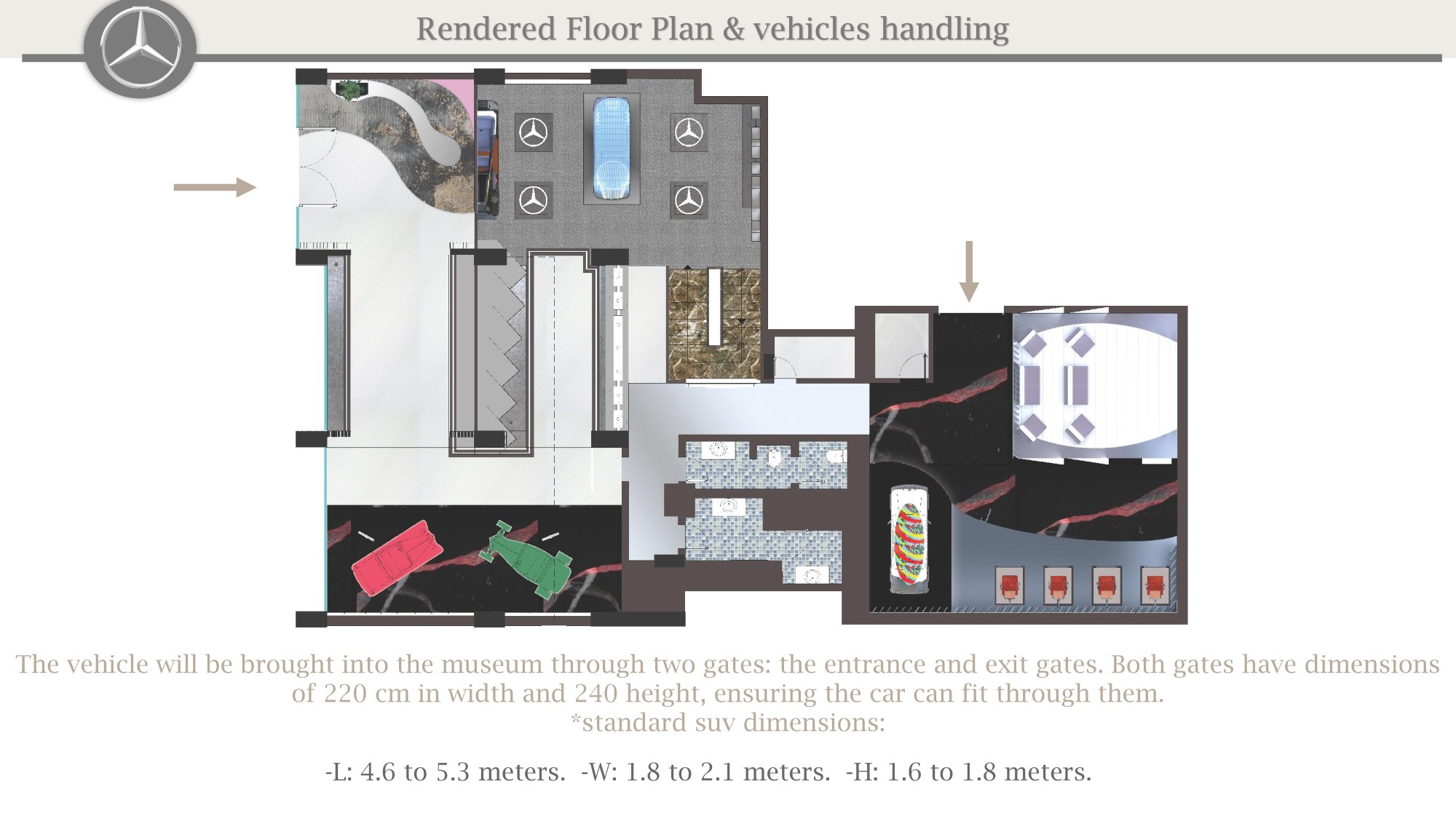
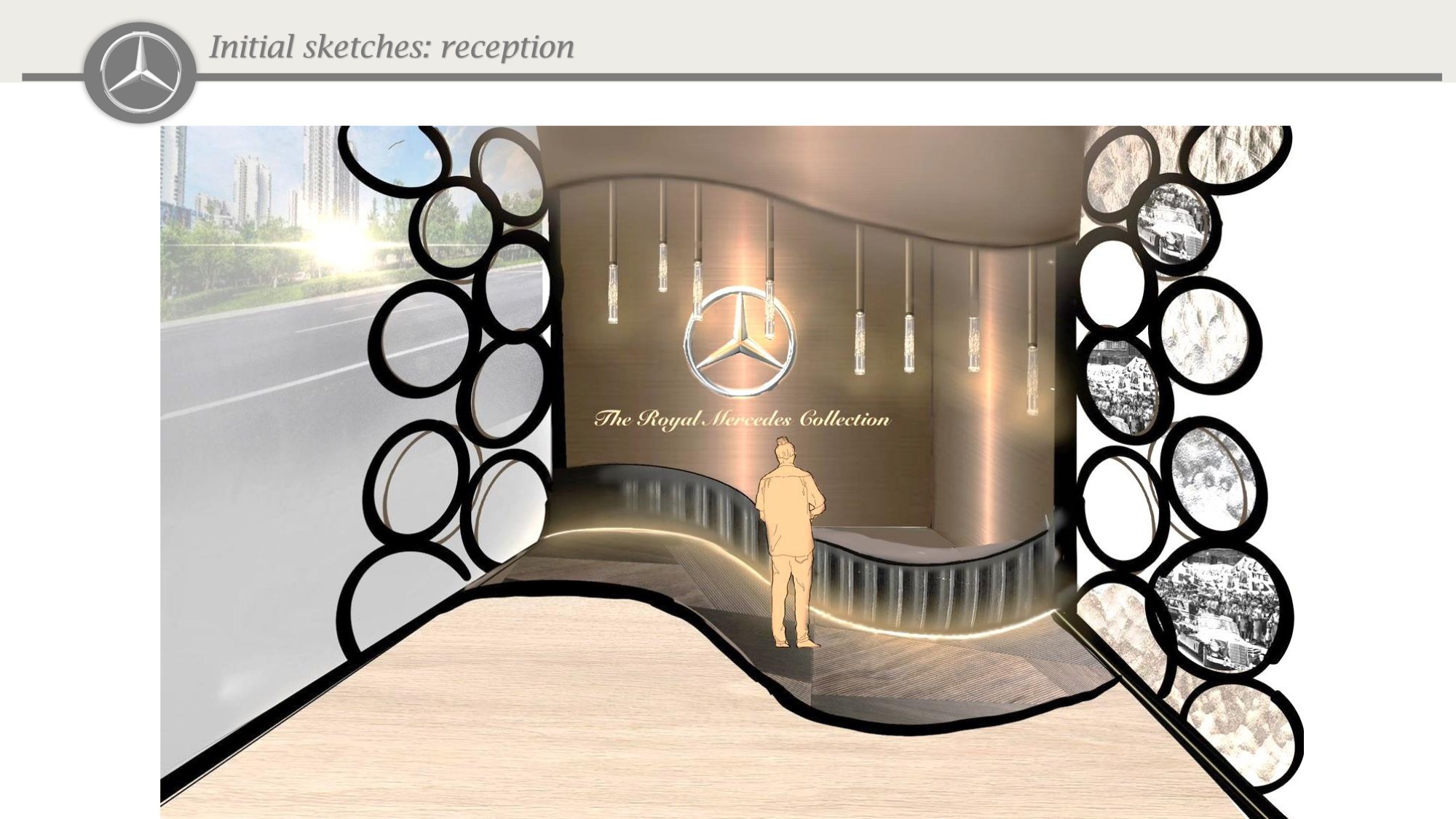
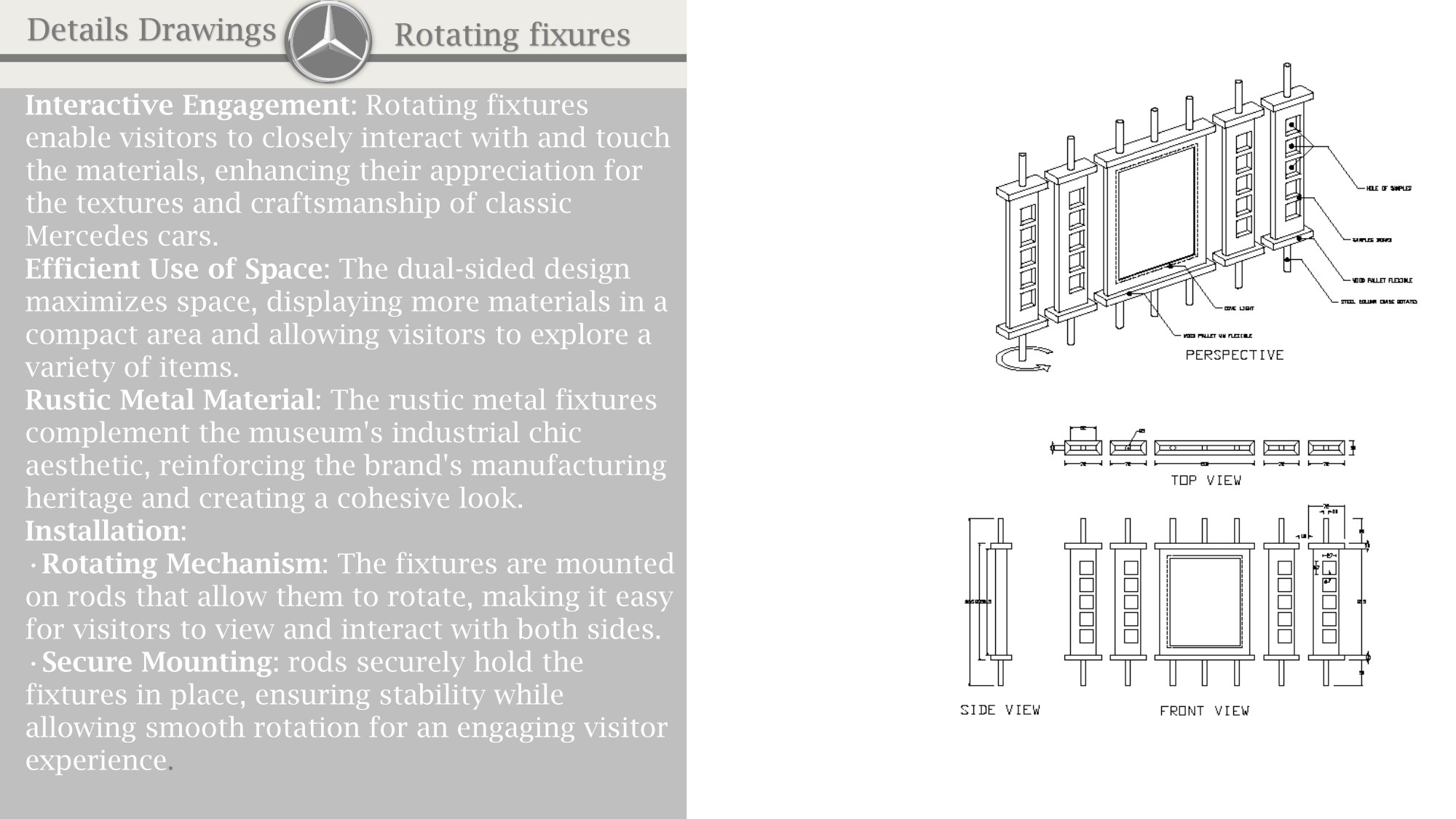
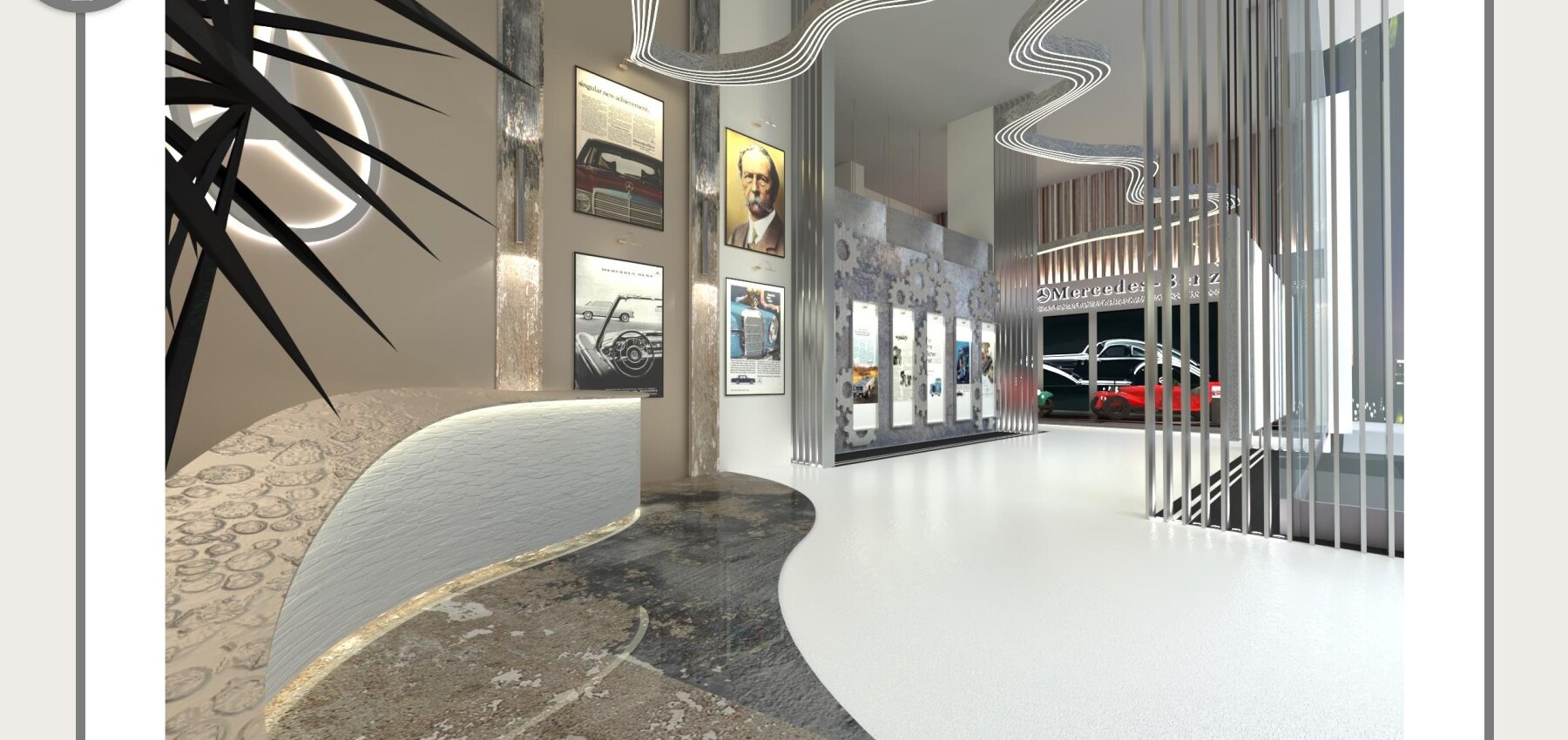
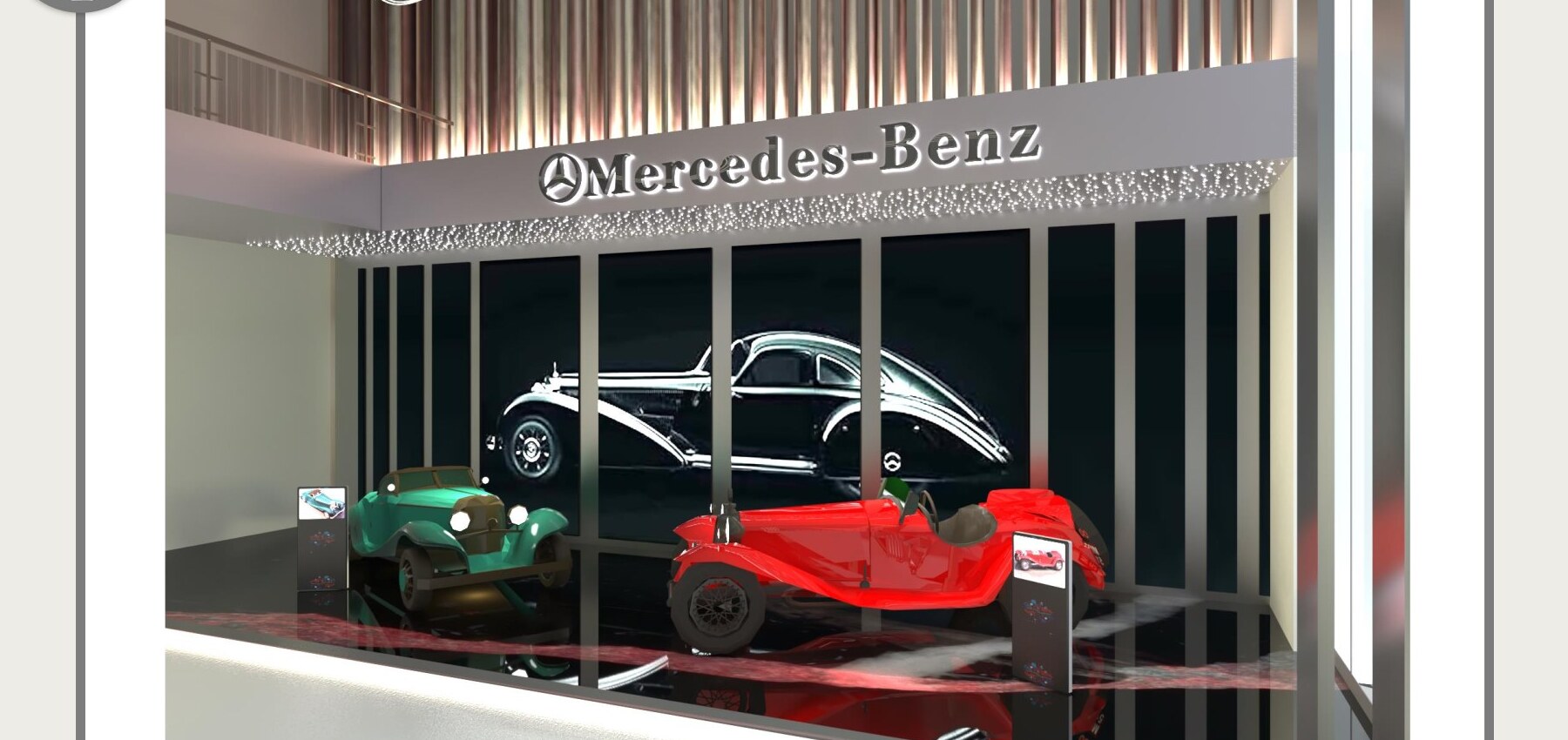
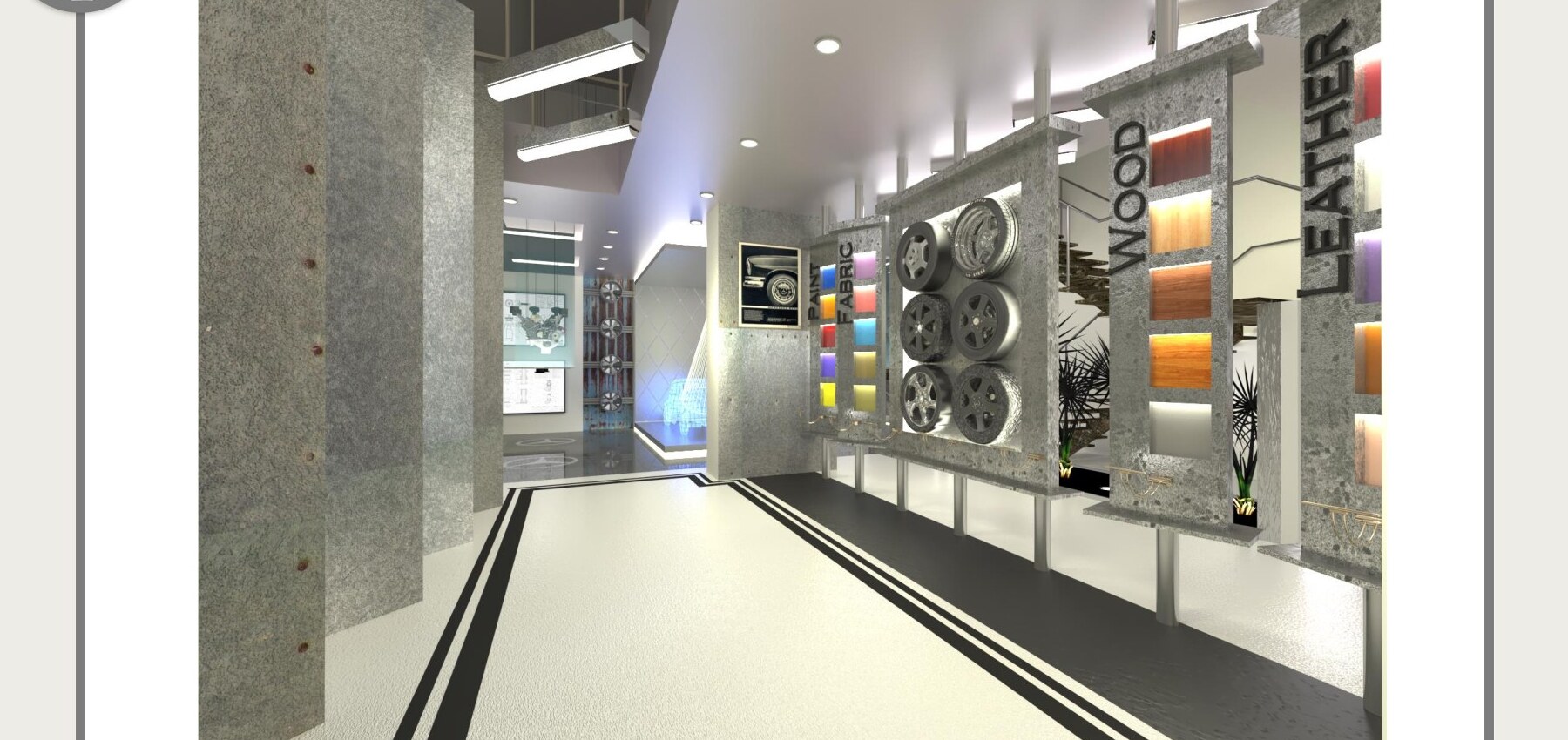
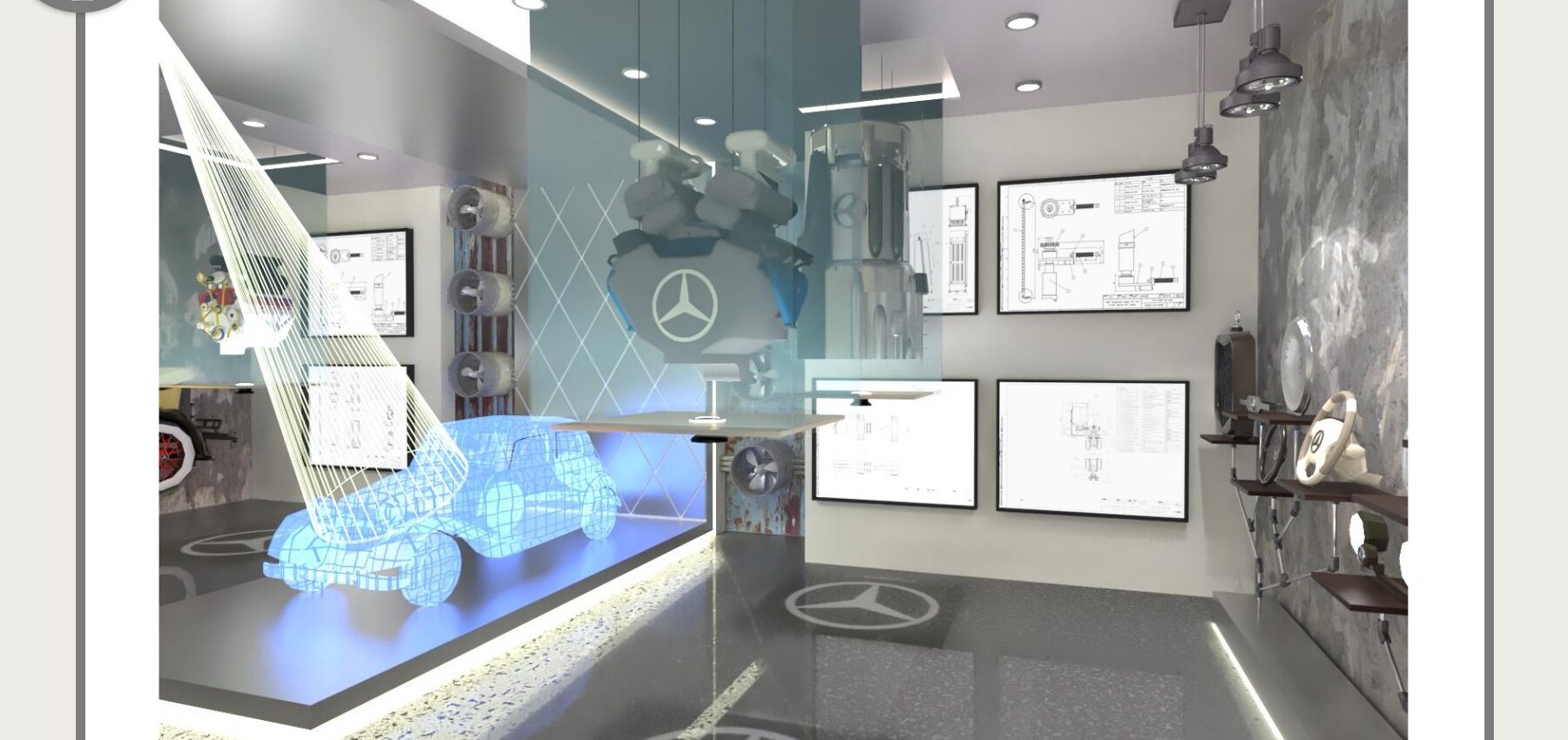
A brand-led museum experience celebrating automotive heritage, engineering, and innovation through a structured visitor journey.
Project 02
Contrasting approach
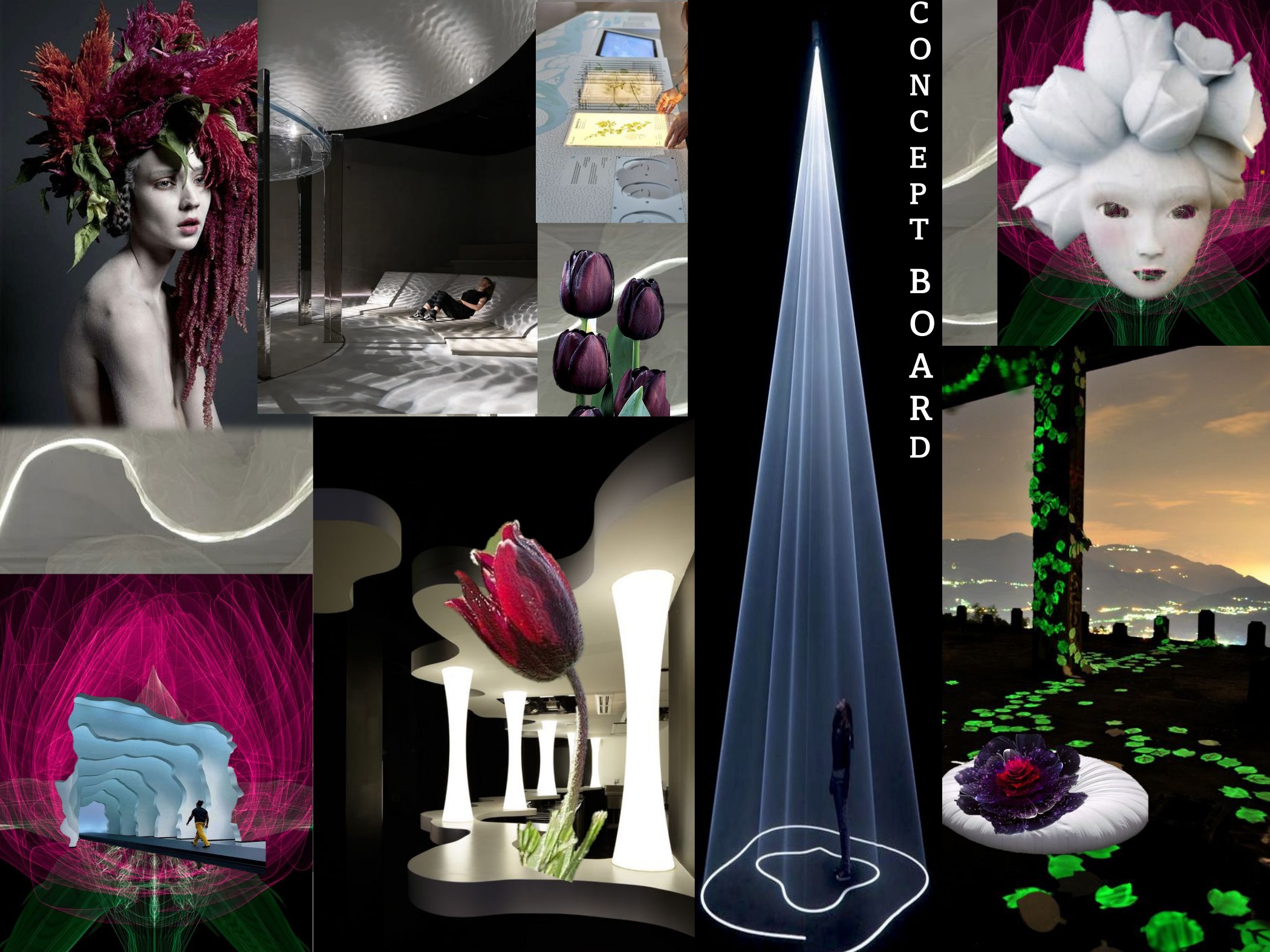
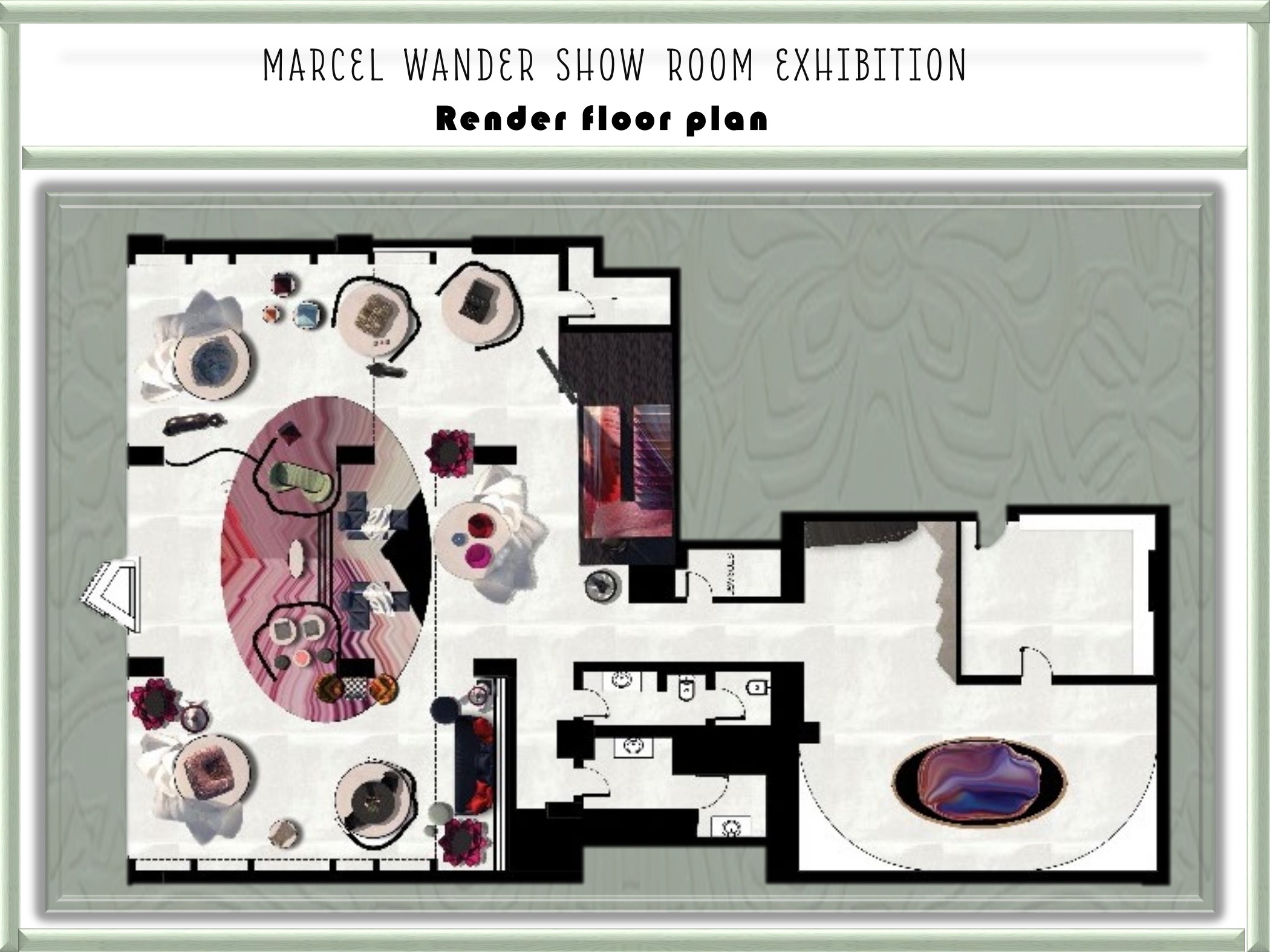
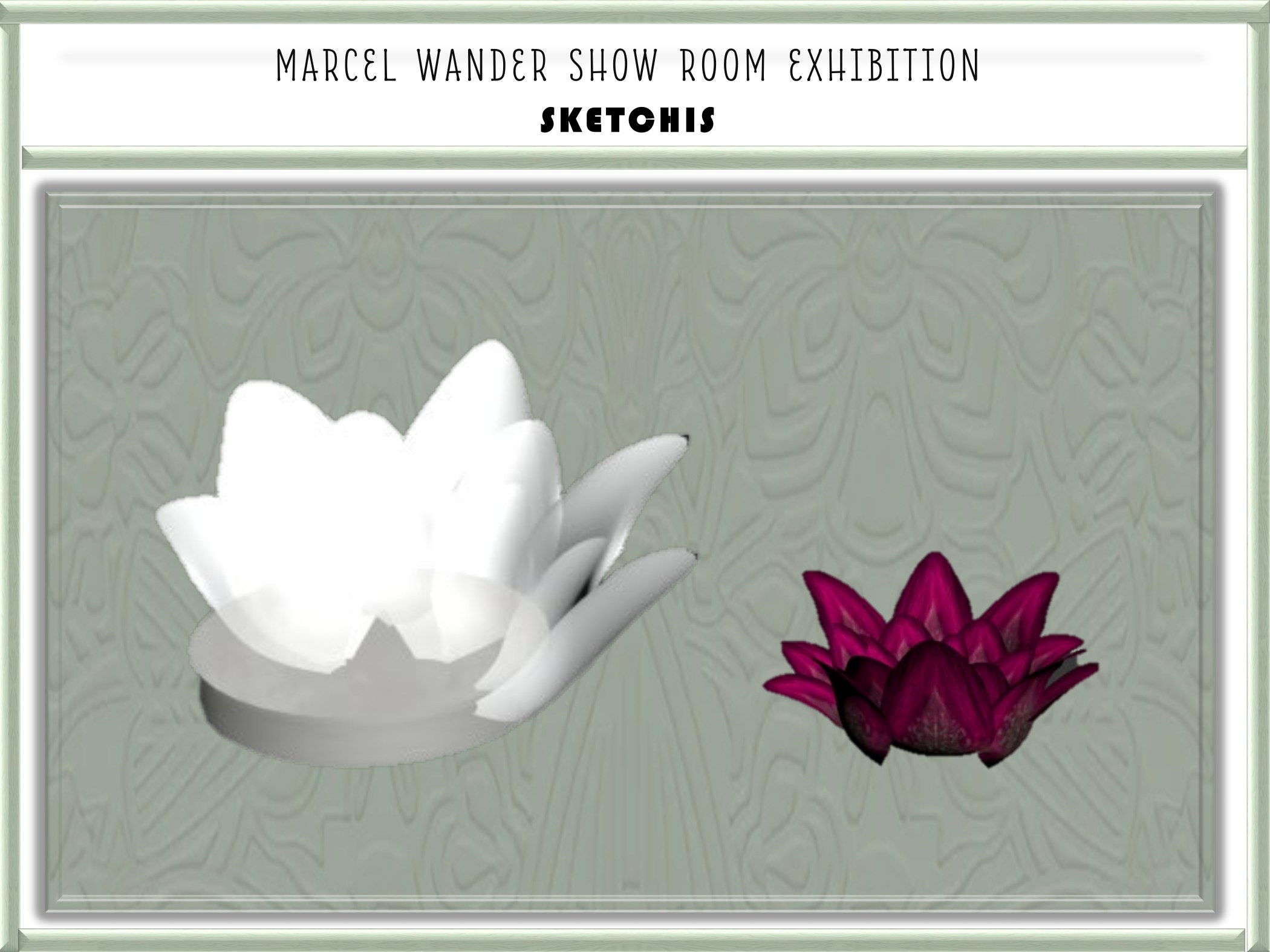
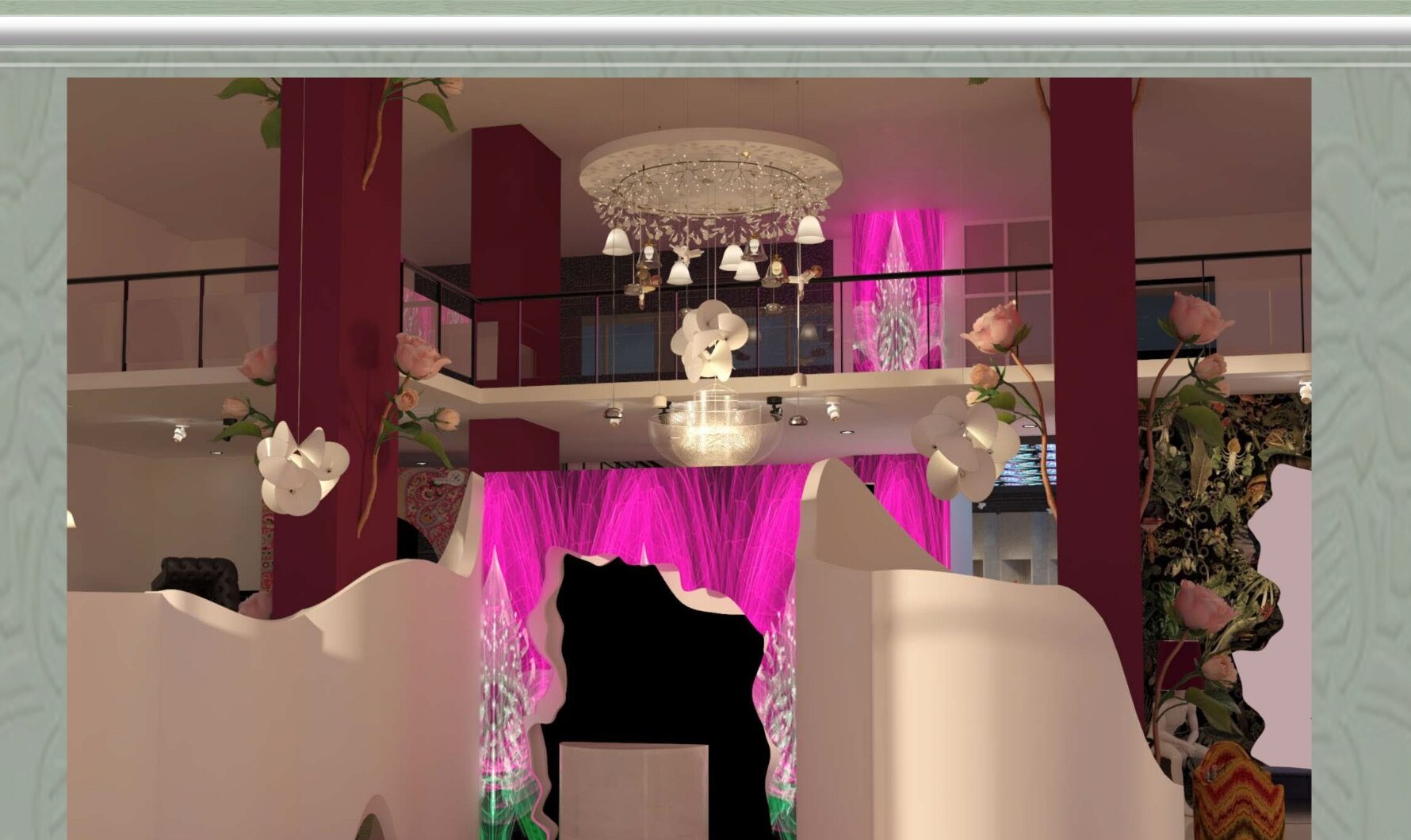
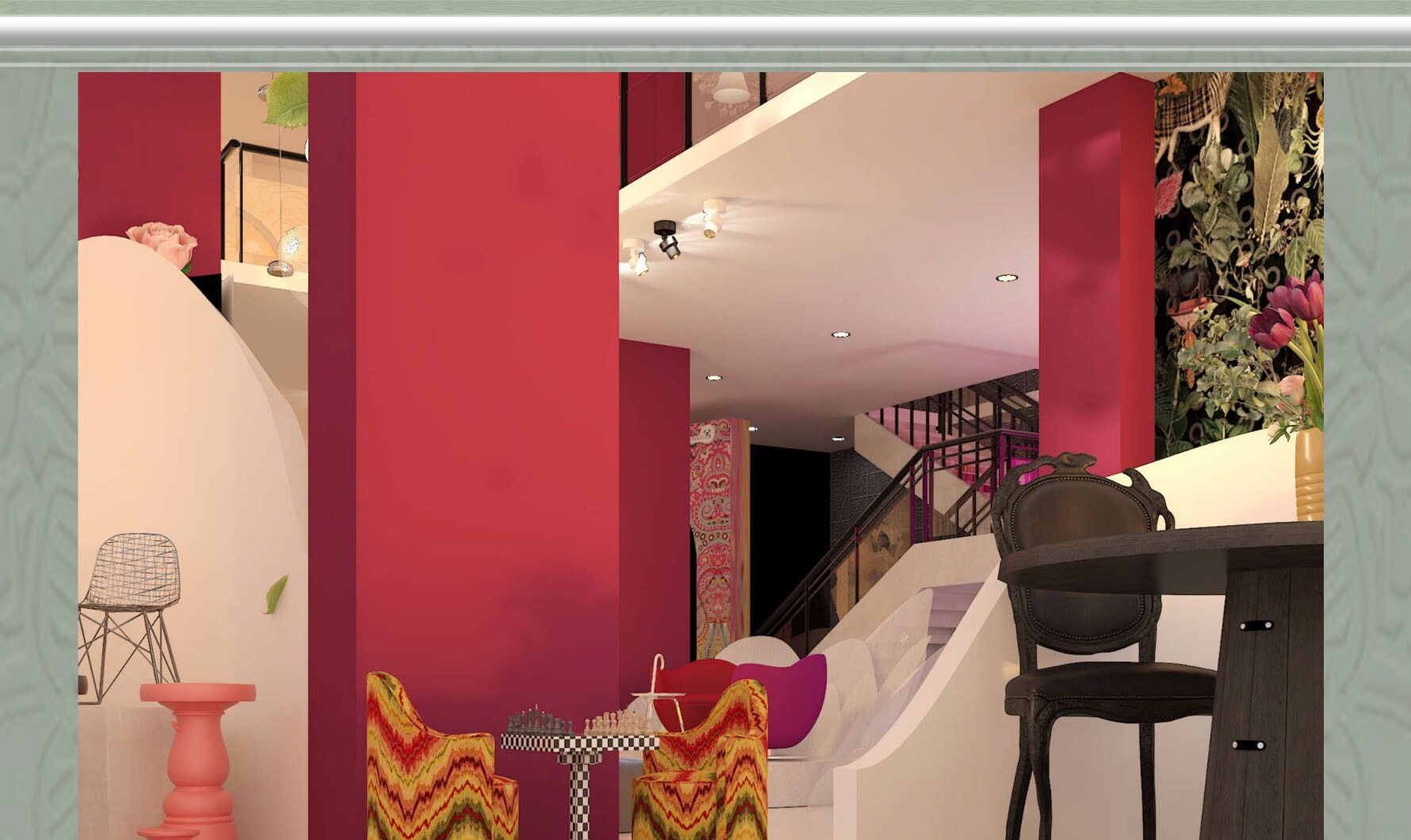
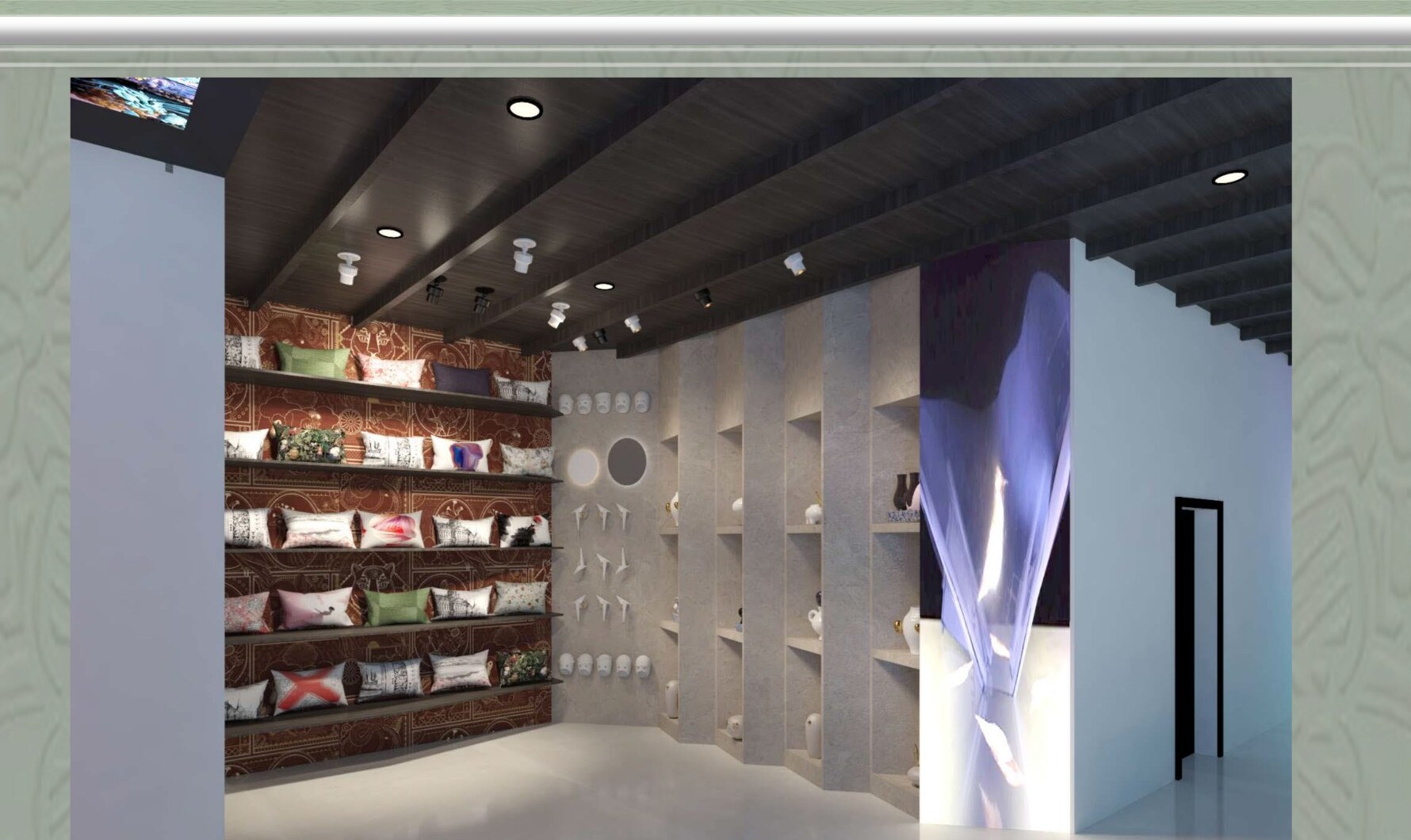
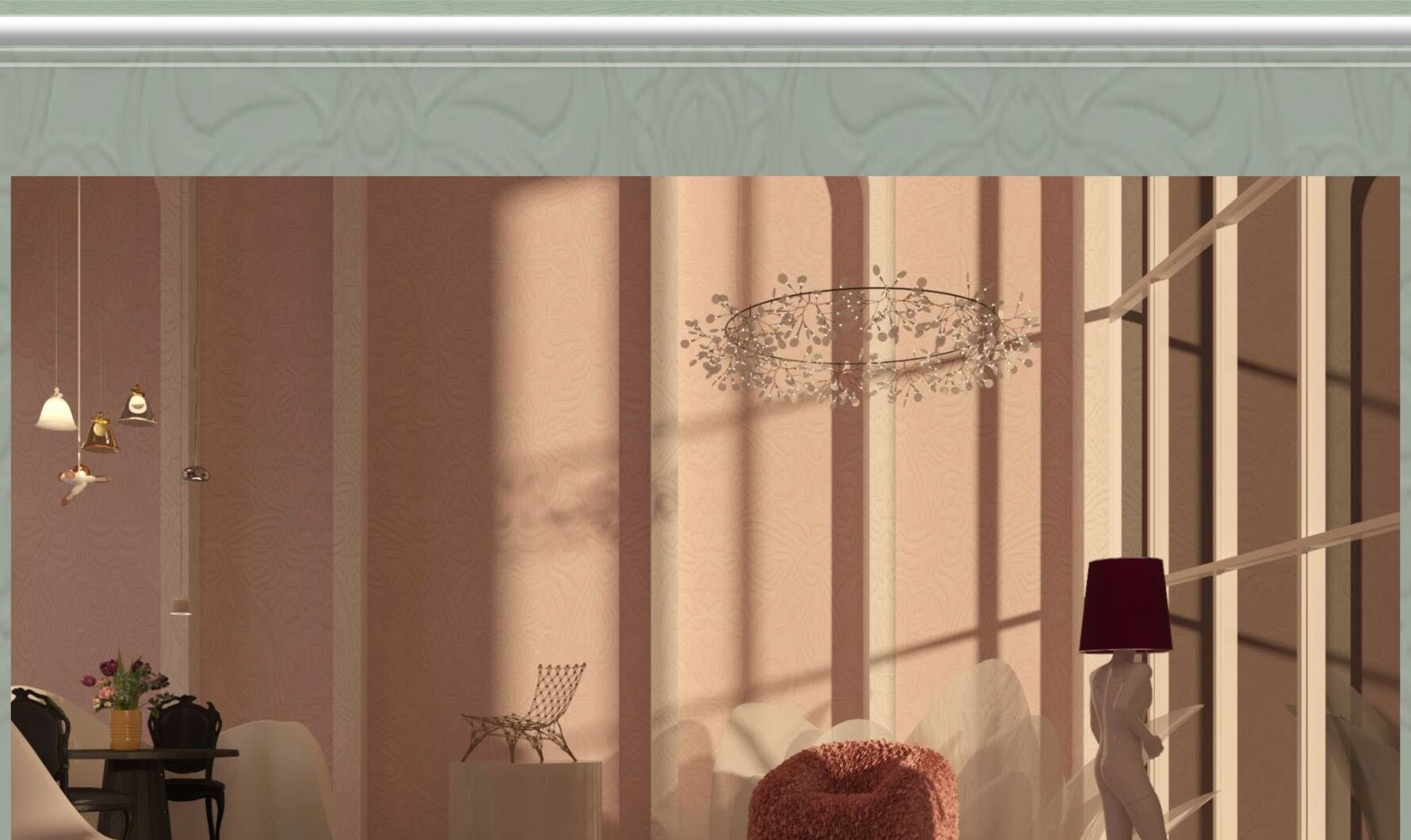
An expressive showroom shaped by artistic storytelling, unconventional product presentation, colour, pattern, and theatrical atmosphere.
Learning outcomes
Academic portfolio